Context
Kinetic displays sit at the intersection of industrial design, mechatronics, and interaction design. Instead of a static screen, they communicate through movement, rhythm, and physical form. This project started as a thesis exploration into a 5x5 kinetic display, where the goal was to understand how a physical matrix of moving elements could create expressive and legible patterns, and later matured into a 1x10 display implementation that was easier to manufacture, control, and demonstrate in a compact form.
The progression from a matrix concept to a linear display mattered because it exposed a core design truth: not every prototype scales cleanly into a final product. The early thesis research established the design and motion language, while the later 1x10 version focused on making that concept practical, reliable, and visually effective in a real-world installation context — a shift from proving an idea to shipping a legible one.
02When does motion read as intent?
The main challenge was translating a concept in motion into a system that could actually move in a controlled, repeatable, and legible way. A kinetic display has to balance several competing demands at once: mechanical complexity, size, durability, actuation precision, visual readability, and control synchronization. A larger display grows quickly in complexity, while a smaller one can become visually weak if the motion language isn't highly intentional.
The 5x5 prototype addressed the conceptual design problem by exploring spatial structure, movement patterns, and user perception. The later 1x10 version then simplified that problem into a more scalable form factor, making the display easier to prototype and easier to understand as an information artifact.
03From matrix testbed to focused interface
The project began with a thesis-driven exploration of spatial motion and physical communication. The 5x5 prototype was a design testbed: it let the work study the behavior of moving elements, explore motion timing, and evaluate how well patterns could be read by a viewer. It functioned as a conceptual platform for understanding the display language before committing to a more refined build.
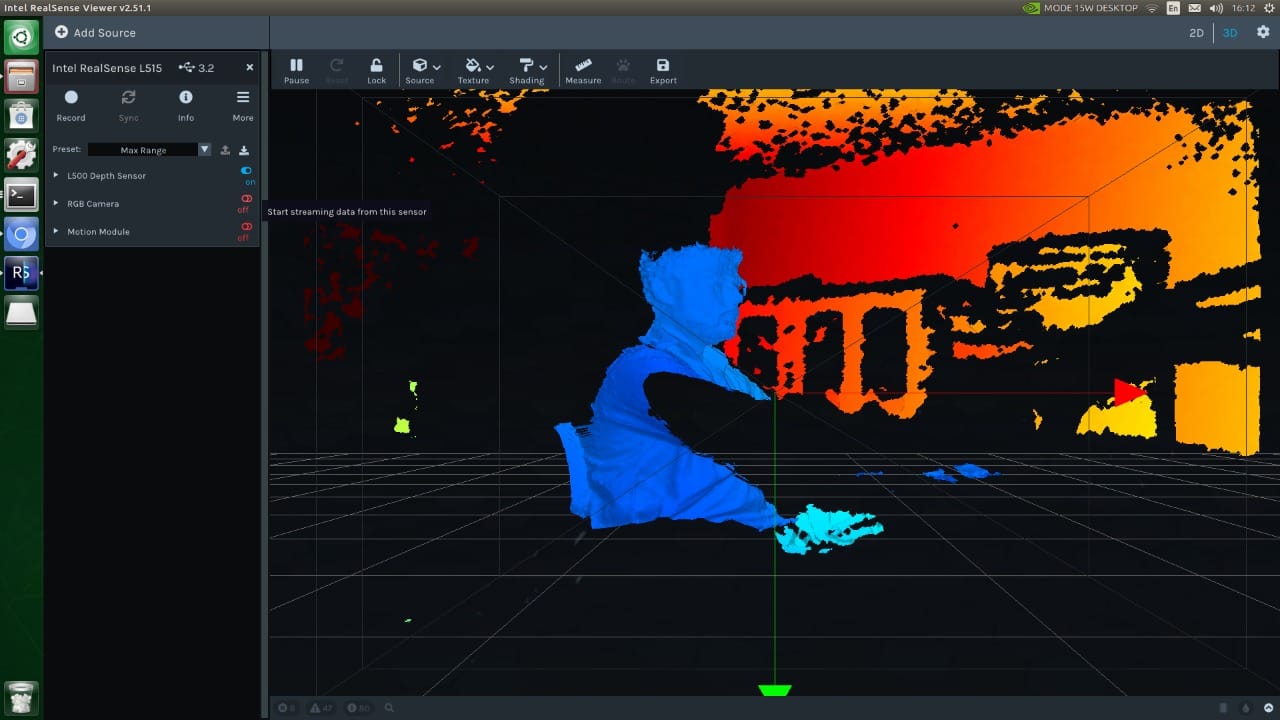
The later 1x10 implementation represented the practical evolution of that idea. Instead of a dense 2D matrix, the system used a linear arrangement of moving elements, which made the display more compact, easier to fabricate, and more suitable for direct human interaction. The design shifted from a large matrix built to prove the concept toward a focused physical interface built to demonstrate the motion language effectively.
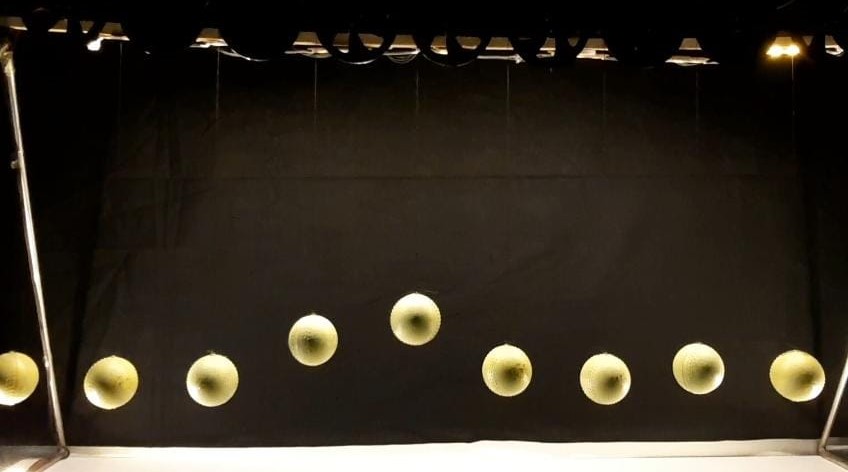
This iterative move was valuable because it showed how research prototypes can mature into simpler, better-communicated devices. In mechanical design, simplification is often not a compromise — it is a way to improve clarity, reliability, and system performance.
04Four design decisions
Mechanism design
The display relied on a carefully designed moving structure where each element had to respond predictably, be visually legible, and operate with enough repeatability for pattern-based communication.
Control and timing
Motion sequences were coordinated through embedded control logic so that each unit moved in a defined pattern rather than randomly. Timing became a central part of the display language.
Physical interaction
Because the display was tangible, the system had to consider user perception as part of the design. The experience was not just about electronics; it was about how a person reads motion, rhythm, and sequence.
Iteration
The project's progression from 5x5 to 1x10 was itself a system-level design decision — reflecting the balancing act between ambition, practicality, and the ability to deliver a convincing demonstration.
Results and lessons
The kinetic display project reinforced a core design insight: physical interfaces can communicate meaning in a way conventional screens cannot. Motion creates attention, rhythm creates interpretation, and physicality creates presence — a combination especially relevant in interactive installations, signaling systems, and expressive interfaces where meaning is carried by form as much as by content.
The shift from a 5x5 matrix to a 1x10 display also highlighted a practical lesson in engineering: good design is not always about maximizing complexity. Sometimes the most effective result comes from simplifying the architecture while keeping the expressive intent intact. That move made the project more credible as a prototype and gave it a clearer path toward real-world use.