Research focus
This thesis work centered on how intelligent systems can be designed around real operating constraints rather than purely idealized assumptions. The emphasis was on combining sensing, computation, and practical deployment in a way that yields useful and measurable outcomes in the physical world.
That framing shaped the entire research direction: rather than optimizing an algorithm in isolation, the work treated hardware limitations, environmental noise, and deployment practicality as first-class constraints on the problem, not afterthoughts to be handled once a clean theoretical result was in hand.
02The research problem
The main challenge was translating an idea into a technically grounded system that could handle constraints such as hardware limitations, noisy environments, and the need to make decisions based on incomplete real-world data.
Research of this kind is not only about algorithmic elegance — it is about making systems function reliably and with a clear engineering story behind them, one that holds up under the same conditions the eventual deployment would face.
03From concept to validation
The research path moved through literature review, system definition, prototyping, and evaluation. Each phase helped clarify the gap between theory and implementation, and each transition — from reading the existing work, to defining the system precisely, to building a working prototype — surfaced assumptions that had to be revisited before the next phase could proceed cleanly.
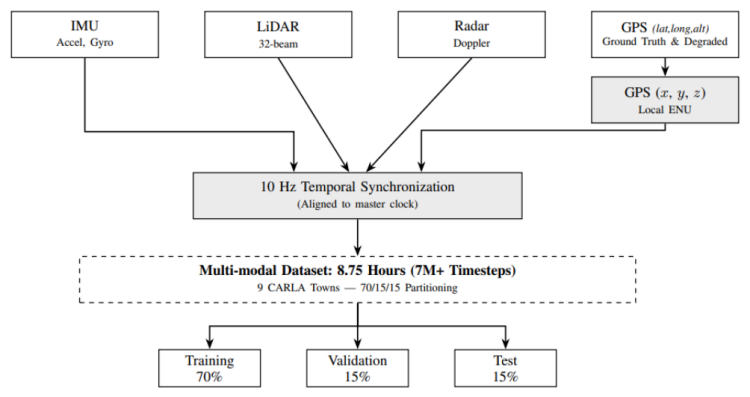
The most valuable part of the work was not only producing a result, but learning how to shape a technical problem into a model that could be tested, improved, and ultimately translated into a deployable solution — a discipline that matters as much in applied research as the result itself.
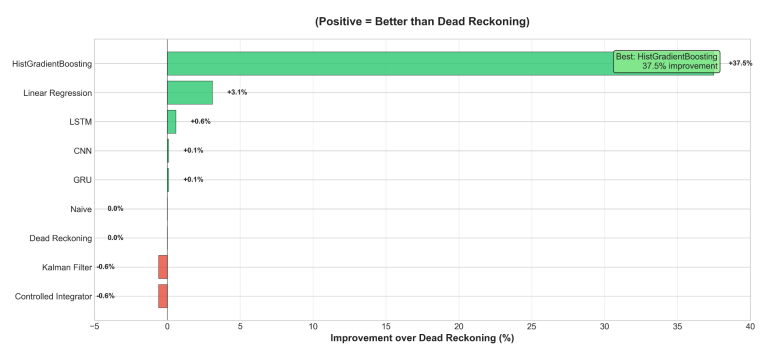
04Two halves of the work
Research methodology
The work combined conceptual design, experimentation, and evaluation so the project could be understood both technically and academically, with each stage documented well enough to be defended independently.
Practical realization
Embedded systems and sensing strategies were used to ground the research in demonstrable behavior and outcomes rather than isolated theory, keeping the work tied to what a real system could actually do.
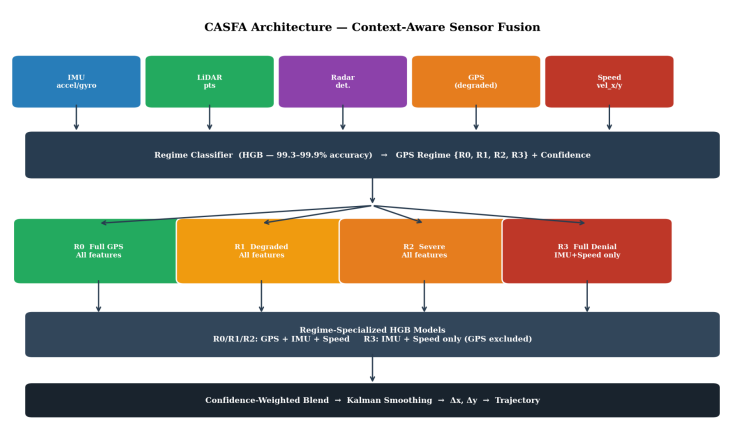
Results and learning
This research strengthened the ability to connect data, control, and design decisions with real-world performance. It reinforced the idea that the best technical work is often driven by real constraints, observation, and iterative refinement rather than one-shot innovation.
That mindset has carried directly into my engineering and portfolio work across robotics, embedded systems, and applied product design — treating deployment conditions as part of the design problem from day one, rather than a validation step tacked on at the end.